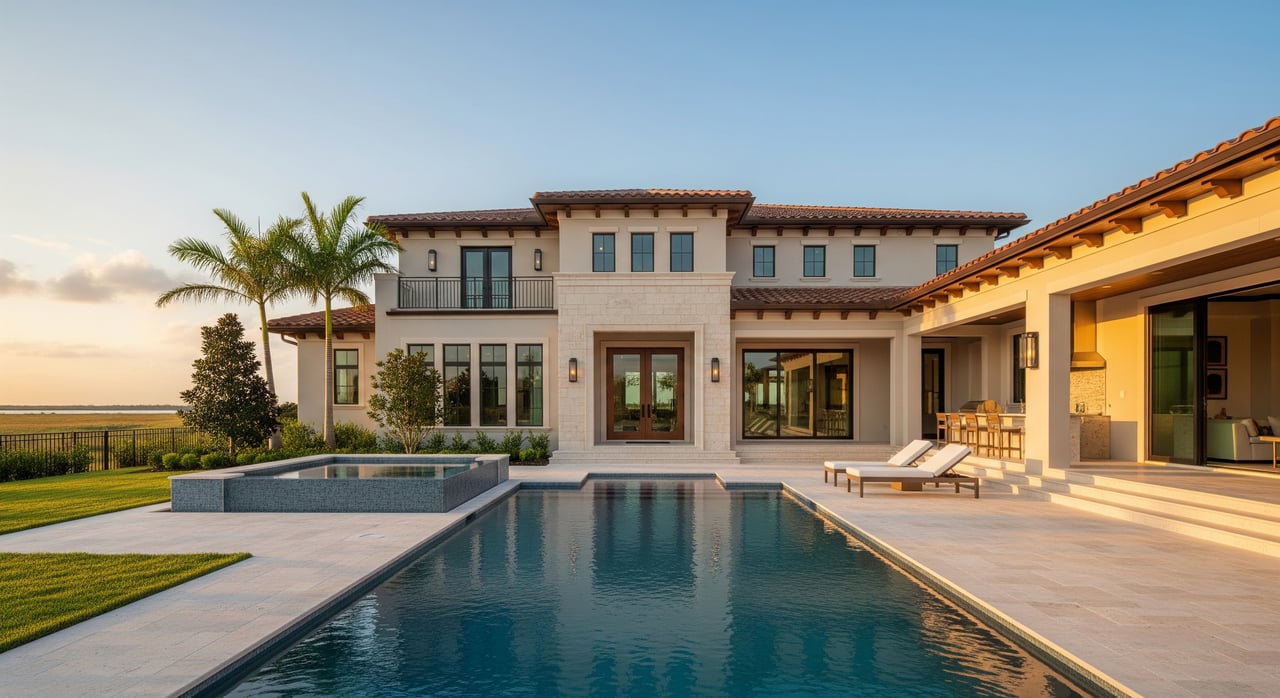
You found the perfect homesite in Parrish and signed the contract. Now what? If you are wondering how long it will take to go from paperwork to move‑in, you are not alone. Building a new home in 34219 follows a clear sequence, but timing depends on permits, selections, utilities, and Florida weather. This guide walks you step by step from contract to keys in Parrish, with realistic timelines, local Manatee County factors, and practical tips to keep your build on track. Let’s dive in.
The big picture: Contract to keys in Parrish
From a high level, you move through six stages: contract and selections, financing, permitting and site work, vertical construction, inspections and Certificate of Occupancy, then closing and keys. Each stage has handoffs between your builder, lender, and Manatee County. The more you plan upfront, the smoother those handoffs go. Think of it as a relay where clear communication and deadlines keep time from slipping.
Key schedule drivers include your design selections, permit turnaround, utility hookups, financing type, and weather. Your builder manages the daily sequencing and subcontractors, while the county controls permits and inspections. Your lender controls loan approval and any required inspections for draws. If your community has an HOA, design approvals can also affect timing.
Typical timeline in 34219
Every build is unique, but most Parrish single‑family builds fit these ranges. Treat each as an estimate and confirm your builder’s specific schedule in writing.
Contract and selections: 1–4 weeks
You sign the purchase agreement, pay the initial deposit, and choose structural options and finishes. Your builder should provide an estimated schedule, warranty overview, and community covenants. Use this time to request homeowner’s insurance quotes and confirm selection deadlines for long‑lead items.
Financing and underwriting: 2–8 weeks (often overlaps)
Your lender underwrites the loan using your contract, plans, and a new‑construction appraisal. If you use construction‑to‑permanent financing, expect additional draw inspections and more admin steps. Builder‑provided financing can change timing, so compare rates and responsibilities before you choose.
Permitting and site development: 4–16 weeks
Your builder submits for building permits through Manatee County Building & Development Services. Lot work may include grading, erosion control, stormwater measures, and utility coordination. If wetlands or surface waters are involved, reviews by the Southwest Florida Water Management District may be needed. Ask your builder which permits they will handle and for the permit numbers once filed.
Lot prep and foundation: 2–6 weeks
Crews clear and grade the lot, install erosion control, stub utilities, and pour the foundation. In Parrish, wet soils and seasonal rains can delay grading and slab work. Your builder will schedule this around weather windows to reduce risk.
Shell, framing, and rough‑ins: 4–10 weeks
The structure goes up, the roof is installed, and windows and exterior doors are set. Mechanical, plumbing, and electrical rough‑ins follow. Manatee County inspections typically occur at this stage for structural and trade work.
Insulation, drywall, and exterior: 3–6 weeks
Insulation is installed and inspected, then drywall is hung and finished. Roofing and exterior cladding are completed. This is when your home begins to feel like a finished space.
Trim and interior finishes: 4–10 weeks
Cabinets, countertops, flooring, paint, lighting, and plumbing fixtures go in. HVAC is commissioned and exterior work like driveways and landscaping is completed. Custom selections or late changes are common causes of delays here.
Final inspections and Certificate of Occupancy: 1–4 weeks
The county conducts final inspections and issues a Certificate of Occupancy once your home meets code. In some cases, jurisdictions use a Temporary Certificate of Occupancy that allows move‑in while minor items are finished, but you must confirm current Manatee County practice and your builder’s policy. Ask for a copy of the final inspection report and the CO or TCO.
Closing and key handoff: 1–14 days after CO
Your title company coordinates closing documents, records the deed and mortgage, and funds the transaction. Builders usually release keys after receiving final funds and confirming recording. If your contract allows occupancy upon CO before recording, make sure insurance, utilities, and responsibilities are clear in writing.
Total time from contract to keys
- Spec or quick‑move‑in homes: about 2–6 months.
- Standard production builds: about 6–9 months.
- Semi‑custom or custom homes: about 9–14+ months.
These ranges can expand based on permitting, utility connections, HOA approvals, selections, and weather in Parrish.
Local factors in Manatee County
Permits and plan review
Parrish is in unincorporated Manatee County, so building permits and inspections run through the county. Review times vary based on workload and permit complexity. Subdivision infrastructure must be in place before individual lot building permits are issued.
Utilities and impact or connection fees
Many Parrish communities use Manatee County Utilities for water and sewer. Capacity, tap fees, and timing for hookups can drive your schedule. If a property needs a well and septic system, additional permits and inspections will extend the timeline.
Stormwater, wetlands, and environmental review
Lots that affect surface water or wetlands may require stormwater management approvals and possibly mitigation. Reviews through the Southwest Florida Water Management District can add weeks or months. Most large builders manage these as part of community entitlements, but confirm whether any lot‑specific permits remain.
Flood zones and elevation
Parrish parcels may be in FEMA‑mapped flood zones. That can influence foundation elevation, engineering, and insurance. Ask your builder about any elevation certificates and how flood zone designation affects both cost and timing.
Inspections, CO, and TCO
Final occupancy requires passing inspections and receiving a Certificate of Occupancy from the county. Some jurisdictions allow Temporary COs for limited conditions. Confirm whether Manatee County and your builder use TCOs and what items must be completed before full occupancy.
Weather, labor, and materials
Florida’s rainy and hurricane seasons, roughly June through November, can temporarily halt site work and roofing. High demand in the Suncoast region can tighten subcontractor availability. Windows, doors, cabinetry, and specialty finishes may have long lead times that affect your schedule.
Smart planning to stay on schedule
- Get the builder’s written schedule with milestone dates and expected permit timelines.
- Lock in selections early, especially long‑lead items like windows, cabinets, and specialty appliances.
- Ask for permit numbers once filed and track status with your builder.
- Coordinate closely with your lender and provide updated plans and builder schedules to the appraiser.
- Request weekly progress updates and photos so you can react quickly to changes.
- Plan homeowner’s insurance to start on your occupancy date and confirm coverage if moving in under any TCO arrangement.
Financing, title, and closing basics
Standard mortgages for new construction usually close after the CO is issued. Construction‑to‑permanent loans include draw inspections and more administration, which can influence cash flow and timing. Builder‑provided financing can simplify steps, but always review terms and which party pays which fees.
Title commitments and surveys are standard items before closing. In many tract communities, the builder provides a survey or plat, but confirm if a new survey is needed. If your home is in an HOA, obtain the governing documents and any estoppel letters and make sure you understand compliance items like landscape or fence approvals.
In Florida, the typical sequence is final inspection and CO, lender clear‑to‑close, title company closing, then recording of deed and mortgage. Keys are usually released after funds clear and documents record. If occupancy starts before recording, confirm in writing who holds risk, who pays utilities, and when your insurance takes effect.
Production builders commonly offer tiered warranties, such as a 1‑year workmanship warranty, a limited systems warranty, and a longer structural warranty. Get the warranty booklet in writing before closing and learn the process and timeframes for making a claim.
Your buyer checklist
Before you sign
- Review builder track record and completed communities.
- Get a written schedule with responsibilities for permits and fees.
- Read the warranty summary and service process.
After contract
- Confirm selection deadlines and order long‑lead items early.
- Ask for permit numbers and expected issuance dates.
- Provide your lender and appraiser with current plans and specifications.
During construction
- Request progress updates and a list of inspections passed.
- Consider a third‑party inspection at pre‑drywall and before closing.
Approaching closing
- Request the CO or TCO and the final inspection report.
- Ask for lien waivers from major subcontractors if applicable.
- Obtain HOA estoppel, CCRs, title commitment, and the builder’s warranty packet.
- Confirm move‑in, possession, and key‑release terms in writing.
When timelines slip and what to do
Delays happen. Common triggers include permit backlogs, utility hookups, heavy rain or storms, and long lead times for custom items. Trade availability can also stretch schedules in high‑demand months. The goal is not just to avoid delays, but to shorten them when they arise.
To respond, keep communication tight with your builder and lender. Ask for a revised written schedule, with reasons for the delay and the recovery plan. If changes are needed, confirm impacts on price and timing before approving. Review your contract’s delay and remedy sections with your agent, and document all agreements in writing.
Ready to build in Parrish?
Building in 34219 can be smooth and predictable when you understand the sequence and plan for local factors like permitting, utilities, and weather. With the right team, you can protect your time, budget, and peace of mind. If you want hands‑on help navigating builder options, selections, and timelines, reach out to The Suarez Group. We pair local relationships with clear communication so you can focus on the fun parts of your new home journey.
Connect with The Suarez Group to talk through your timeline and next steps.
FAQs
How long does a new home in Parrish 34219 typically take?
- Most builds range from about 6–9 months for standard production, 2–6 months for quick‑move‑ins, and 9–14+ months for semi‑custom or custom, depending on permits, selections, utilities, and weather.
Who handles Manatee County permits and HOA approvals for my build?
- Builders usually handle county building permits and most HOA design approvals, but confirm responsibilities and expected timelines in your contract and ask for permit numbers once submitted.
What is a Certificate of Occupancy and can I move in with a TCO?
- A Certificate of Occupancy is issued by the county after final inspections; some jurisdictions allow Temporary COs under limited conditions, so confirm current Manatee County practice and your builder’s policy before planning move‑in.
How do design upgrades affect my construction timeline in Parrish?
- Custom or late selections often increase lead times for items like cabinets, windows, and appliances, so lock choices early and follow the builder’s selection deadlines to avoid delays.
What should I expect at closing for a new build in Florida?
- After the CO, your lender clears final conditions, you close with a title company, and the deed and mortgage are recorded; keys are usually released once funds are received and recording is confirmed.