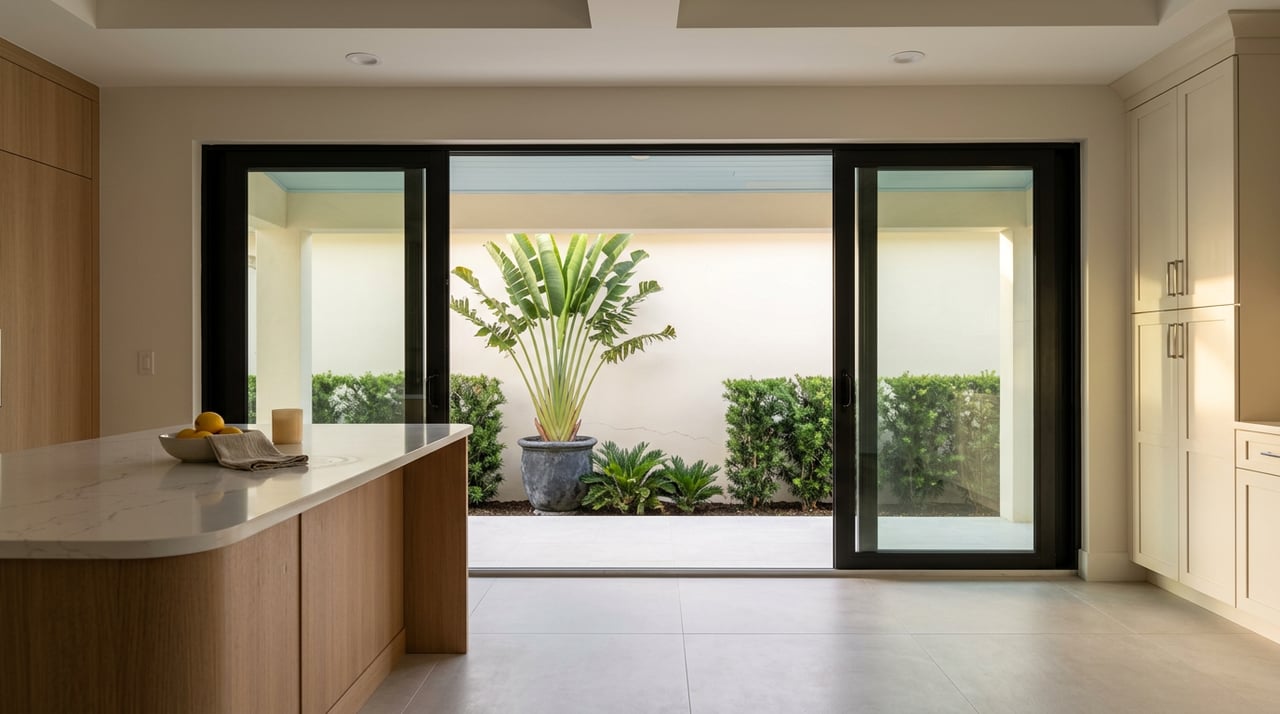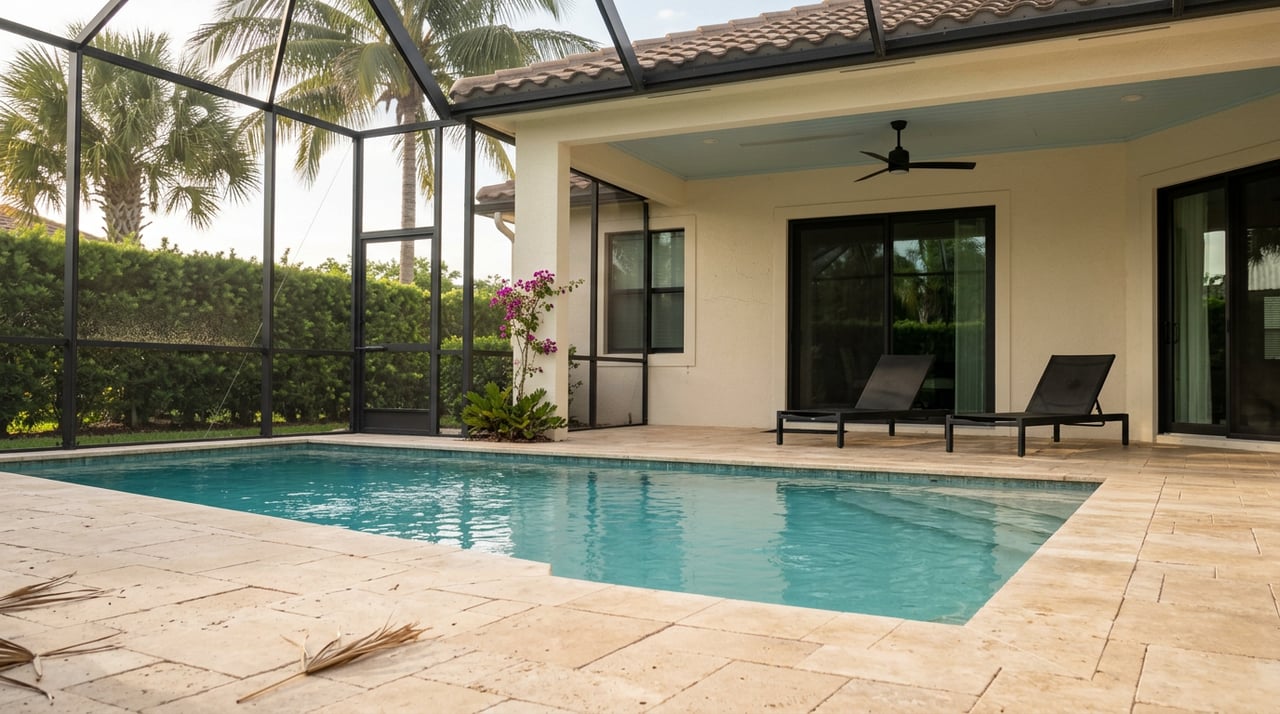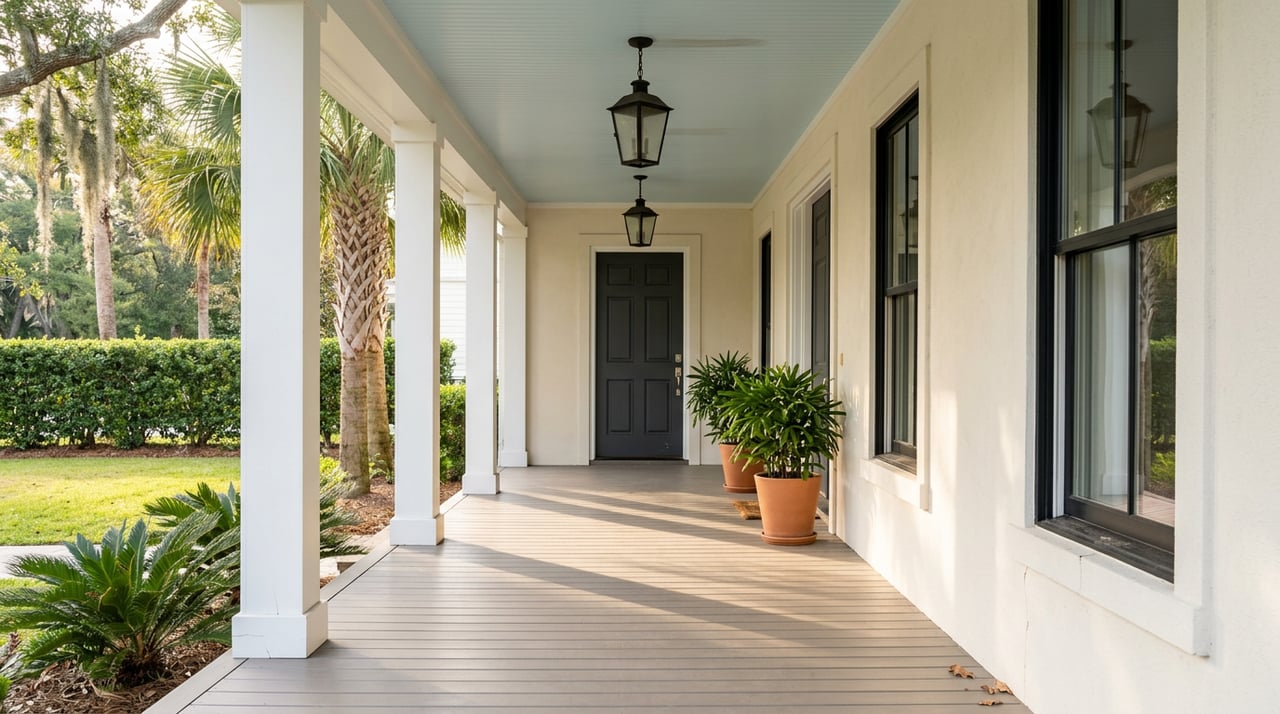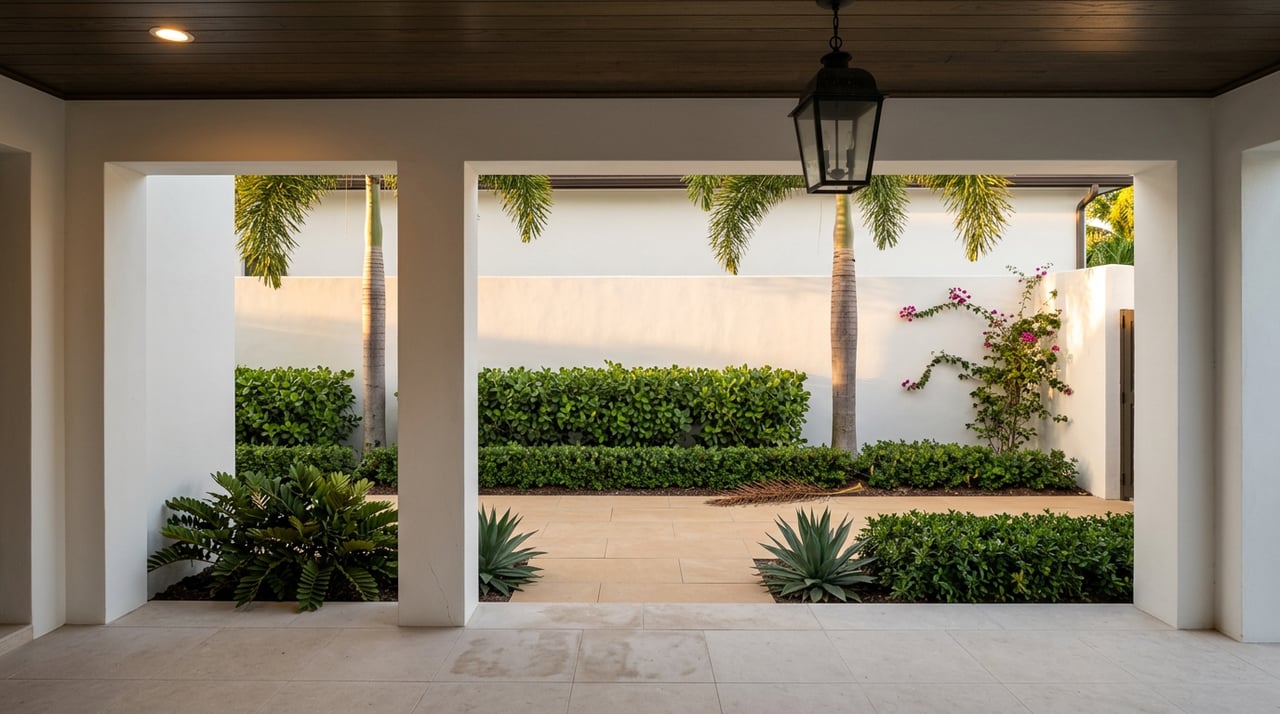
Love the idea of beach life on Longboat Key but unsure whether a condo or a villa fits your day-to-day life. You are not alone. Many second-home buyers and downsizers weigh convenience, privacy, cost, and rental potential before they choose. In this guide, you will get a clear, Longboat Key specific comparison, plain-English takeaways on fees and maintenance, how flood and rental rules work, and a step-by-step checklist you can use when you find a community you love. Let’s dive in.
Longboat Key basics that shape your choice
Longboat Key is a barrier island town that spans both Manatee and Sarasota counties. The Town sets rules inside the island’s limits, including rental registration and safety requirements. The island’s gulf side and bay side feel different, and buildings range from amenity-rich towers to low-rise villas and deed-restricted neighborhoods. Before you assume you can rent nightly, confirm zoning and minimum-stay rules with the Town’s Residential Rental Registry, which took effect October 1, 2023. You can review the Town’s rules on the official short-term rental page at the Town of Longboat Key website.
- Learn about registration, minimum stays, and safety checks on the Town’s page for short-term rentals: Longboat Key Residential Rental Registry and rules.
How ownership and responsibility differ
Condominiums under Florida law
In a condominium, you own your unit and share ownership of common elements with other owners. The association typically maintains the building exterior, roof, structural systems, elevators, and shared amenities. Rules, budgets, records, and assessments are governed by Florida’s Condominium Act. You can review the framework in Florida Statutes Chapter 718.
Villas and townhomes in HOAs
Villas and townhomes on Longboat Key often sit inside homeowners’ associations. You usually own the structure and the land under it, which can mean more responsibility for exterior maintenance, roof, and yard. HOA covenants sometimes shift certain tasks to the association, so boundaries of responsibility are community specific. The legal framework is in Florida Statutes Chapter 720.
Insurance you and the association carry
Condominium associations carry property insurance for the condominium property and common elements. Unit owners typically carry an HO-6 policy for interior finishes, personal property, liability, and loss assessment coverage. Ask for the association’s Certificate of Insurance and whether the master policy is bare-walls-in or all-in, and confirm wind and hurricane deductibles. For a quick primer on unit-owner coverage, see this overview of HO-6 condo insurance basics.
Reserves and structural studies in taller condos
Florida law requires a structural integrity reserve study for condominium buildings with three or more habitable stories. For associations created before July 1, 2022, a key deadline to complete the study was set for December 31, 2025. Reserve funding and study results can drive special assessments, especially in taller gulffront or bayfront buildings. When you evaluate a condo tower, ask whether the study is complete and how reserves align with its recommendations.
What you will feel day to day on Longboat Key
Monthly costs and maintenance
- Condos: Expect higher monthly dues that often cover exterior maintenance, building insurance, grounds, elevators, pools, fitness rooms, some utilities, and on-site management or security. Amenity-heavy gulffront towers tend to have higher dues.
- Villas and townhomes: Expect lower monthly or annual HOA fees, paired with more owner responsibility for roof, exterior, and yard. You will budget separately for long-term capital repairs and may hire local contractors or a property manager.
Practical takeaway: Condos trade higher monthly dues for hands-off convenience. Villas trade lower dues for more control and more upkeep.
Privacy, layout, and lifestyle preferences
- Condos: Shared walls and common areas are common, with elevator access in many buildings. This setup suits buyers who value convenience, on-site amenities, and simplified upkeep. Ground-floor units can be very walkable, while higher floors can offer wide views.
- Villas and townhomes: You often get a private entrance, small yard or patio, and a garage. The feel is closer to a single-family home with fewer immediate neighbors, balanced against added exterior maintenance. For a national-level comparison, see this neutral overview of condo vs. townhouse differences.
Amenities and convenience
Condo communities on Longboat Key often feature deeded beach access, boardwalk paths, beachfront pools and hot tubs, fitness centers, tennis or pickleball, on-site management, and sometimes marina access. The richer the amenity package, the higher the typical dues. Villas and townhomes may have modest amenities, with the tradeoff of more private space.
Lock-and-leave and property management
Condominiums often offer the easiest lock-and-leave experience. Exterior maintenance is handled by the association, and on-site staff can provide helpful oversight while you are away. If you plan to rent or want full-service support, budget for professional management. Several local providers serve Longboat Key. For example, you can review services from a local firm like SkyRun Longboat Key property management to understand typical owner support options and costs.
Flood, hurricanes, and insurance budgeting
Longboat Key is coastal, and many properties sit in FEMA Special Flood Hazard Areas. Always review the FEMA Flood Map for the specific address, request any available elevation certificate, and talk with your insurance agent about both flood coverage and wind or hurricane deductibles. You can pull the official flood map panel for any address at the FEMA Flood Map Service Center.
For condos, coordinate the association’s master policy with your HO-6 coverage. For villas and townhomes, confirm the scope of the HOA policy, if any, and budget for your dwelling coverage, wind, and flood policies.
Renting your place on Longboat Key
Rental use is shaped by two layers of rules. First, your association may set minimum lease lengths, cap the number of leases per year, or prohibit short stays. Second, the Town requires registration for rentals under six months and enforces a 30-day minimum in most residential zones unless a property is specifically zoned or grandfathered for tourism use. Always confirm both the association’s policy and the Town’s Residential Rental Registry before you assume rental income. Start with the Town’s official summary here: Longboat Key Residential Rental Registry and rules.
Financing and resale factors to watch
Warrantability of a condo project
Lenders and the secondary market review the entire condominium for eligibility. If a building does not meet project standards, conventional or government-backed financing can be limited. Before you write an offer, ask your lender about project status and whether the building appears in Fannie Mae’s tool, the Condo Project Manager.
Association financial health
Healthy budgets and reserves are central to your long-term costs and to lender approval. Review the annual budget, reserve study results, any structural integrity reserve study for buildings with three or more stories, recent or pending special assessments, insurance deductible sizes, delinquency rates, pending litigation, and management stability. Request at least two to three years of financials and recent meeting minutes to understand what projects are coming.
Quick guide: which one fits you
Consider a condo if you:
- Want minimal on-site maintenance and a lock-and-leave lifestyle.
- Value amenities like beach access, pool, fitness, and on-site staff.
- Are comfortable with higher monthly dues for convenience.
- Plan ahead for association rules on rentals and pets.
Consider a villa or townhome if you:
- Want more private outdoor space and a garage.
- Prefer owning your roof and exterior with more control.
- Want lower monthly HOA fees and can manage exterior upkeep.
- Prefer a quieter, neighborhood-like setting.
Buyer due-diligence checklist for Longboat Key
Use this when you focus on a specific building or community. Ask the seller or association for these items, or make them contract contingencies.
- Association document packet. Request the recorded declaration, bylaws, and rules so you know what you can and cannot do. See the HOA framework in Florida Statutes Chapter 720 and condo framework in Chapter 718.
- Current budget and recent financials. Confirm reserve line items for roof, painting, pavement, and major systems.
- Reserve study details. For buildings with three or more stories, ask for the structural integrity reserve study and whether reserves match recommendations.
- Insurance certificates. Get the association’s master policy declarations, deductible amounts, and whether coverage is all-in or bare-walls-in. Pair this with your HO-6 if buying a condo.
- Meeting minutes. Review 12 to 24 months of board minutes for planned projects, assessments, litigation, or management changes.
- Rental policy and Town registration. Confirm minimum lease length and frequency. If you will rent under six months, review the Town’s Residential Rental Registry.
- Estoppel letter. Ask for a statement showing any current or pending assessments and the owner’s account status.
- Condo project eligibility. Have your lender confirm warrantability and check the building in Fannie Mae’s Condo Project Manager.
- Flood zone confirmation. Pull the FEMA panel for the address at the FEMA Flood Map Service Center and request any elevation certificate.
- Capital project plans. Ask for recent bids or schedules for roofs, exterior work, or balcony remediation, and how these will be funded.
Next steps
Choosing between a condo and a villa on Longboat Key comes down to how you want to live and what you want to manage. If you want turn-key beach access and on-site amenities, a condo often fits. If you want a garage, a little yard, and more privacy with lower dues, a villa can be a great match. Either way, careful review of association health, flood and insurance exposure, and rental rules will protect your budget and your peace of mind.
If you would like a curated list of Longboat Key buildings and villa communities that match your lifestyle and budget, we are here to help. Reach out to The Suarez Group for local guidance, virtual tours, and a smooth, low-stress search.
FAQs
What is the core difference between a Longboat Key condo and a villa?
- A condo owner typically owns the unit interior and shares common elements that the association maintains, while a villa or townhome owner often owns the structure and land with more responsibility for exterior and roof.
How do Longboat Key short-term rental rules affect my plans?
- You must follow both your association’s rental policy and the Town’s Residential Rental Registry, which regulates rentals under six months and sets minimum-stay rules for most residential zones.
How do flood zones impact insurance for Longboat Key homes?
- Many properties sit in FEMA Special Flood Hazard Areas, so you should confirm the flood zone for the exact address, request any elevation certificate, and budget for flood insurance and wind deductibles.
What condo association documents should I review before buying?
- Review the declaration, bylaws, rules, current budget and financials, reserve and structural study reports, insurance certificates, recent meeting minutes, rental policy, and any estoppel or assessment notices.
What is condo project warrantability and why does it matter?
- Warrantability refers to whether a condo project meets lending standards; if it does not, conventional or government-backed financing may be limited, which can affect both your purchase and future resale.
What insurance policy does a condo owner usually need?
- Most condo owners carry an HO-6 policy for interior finishes, personal property, liability, and loss assessment coverage, coordinated with the association’s master policy.