Walk the beach access near Ocean Boulevard after 9 p.m. this week and you'll notice something residents learn quickly and visitors rarely do: nobody's using their phone flashlight. People pick their way past wooden stakes wrapped in pink tape, keep to the wet sand, and let their eyes adjust to whatever light the moon gives them. It looks like caution. It's actually math. Somewhere under that dry sand, on a timeline set back in late June, a nest is close to hatching.
Last year gave Siesta Key its best sea turtle season on record. It also gave the island its worst season for a very different number, and the two facts are connected in a way that changes what this particular week on the beach actually means.
A Record Year Created a Record Problem
In 2025, Mote Marine Laboratory's Sea Turtle Conservation and Research Program counted 5,736 nests across Sarasota County's 35 miles of Gulf beaches, the highest total in the program's history. Siesta Key's own count climbed from 502 nests in 2024 to 562 in 2025. By any measure, that's a conservation win decades in the making.
The same year also produced a record number of something else: 717 hatchling disorientation events, cases where newly hatched turtles lost their way on the sand because of artificial light. More turtles nesting means more turtles hatching, and more turtles hatching means more chances for a porch light or a lit-up rental to send a clutch the wrong direction. Growth and risk climbed the same curve at the same time. That's the part the average "it's turtle season" post skips, and it's the reason a strong year for turtles isn't automatically a stress-free one for the people who live along the beach.
There's a second layer to this that most residents never hear explained. Loggerheads, the species responsible for the vast majority of Siesta Key's nests, tend to nest on a two-year cycle. A female who nests one year often skips the next. That means many of the turtles that came ashore in 2025 hadn't nested since before the 2024 hurricane season tore up dunes and vegetation along the coast. They had no way of knowing the beach had changed. This year's nesters are in the same position. They're arriving at a beach shaped by storms they never experienced, working entirely on instinct, which is exactly why the condition of the sand and the light along it matters more than usual right now, not less.
Why This Particular Week Matters
Sarasota County's official nesting season runs May 1 through October 31, but the biology has its own calendar. Loggerhead eggs take roughly 55 days to incubate. Mote's Sea Turtle Patrol, now in its 45th year of daily beach surveys, documented the county's first nest of 2026 on Venice Beach on April 27. Run the math forward from a typical June or early-July nesting date and you land squarely in late August, which is where the calendar sits today. Nests laid during the peak of early summer are hatching along Siesta Key's shoreline right now.
Dr. Jake Lasala, who heads Mote's Sea Turtle Conservation and Research Program, has been careful not to overpromise on 2026. "While 2026 probably won't reach the record-breaking levels we saw in 2025, nesting numbers should still be strong overall," he said. Strong but not record-breaking still means more active nests on Siesta Key this August than in most years on record, concentrated on a stretch of beach residents use every evening.
Turtle Beach, at the south end of the key, consistently sees the heaviest nesting activity on the island, enough that Mote volunteers give it extra attention during patrols. It's also one of the easier stretches to reach without a car, since the free Siesta Key trolley runs down to that end of the island. If you've been meaning to see what an active nesting stretch actually looks like up close, that's the spot, not because it's scenic, but because it's where the data says the activity concentrates.
What Actually Changes on Your Block This Week
The rules that show up on every rental site and condo bulletin board this time of year exist for specific, testable reasons, not general caution. A few worth understanding rather than just following:
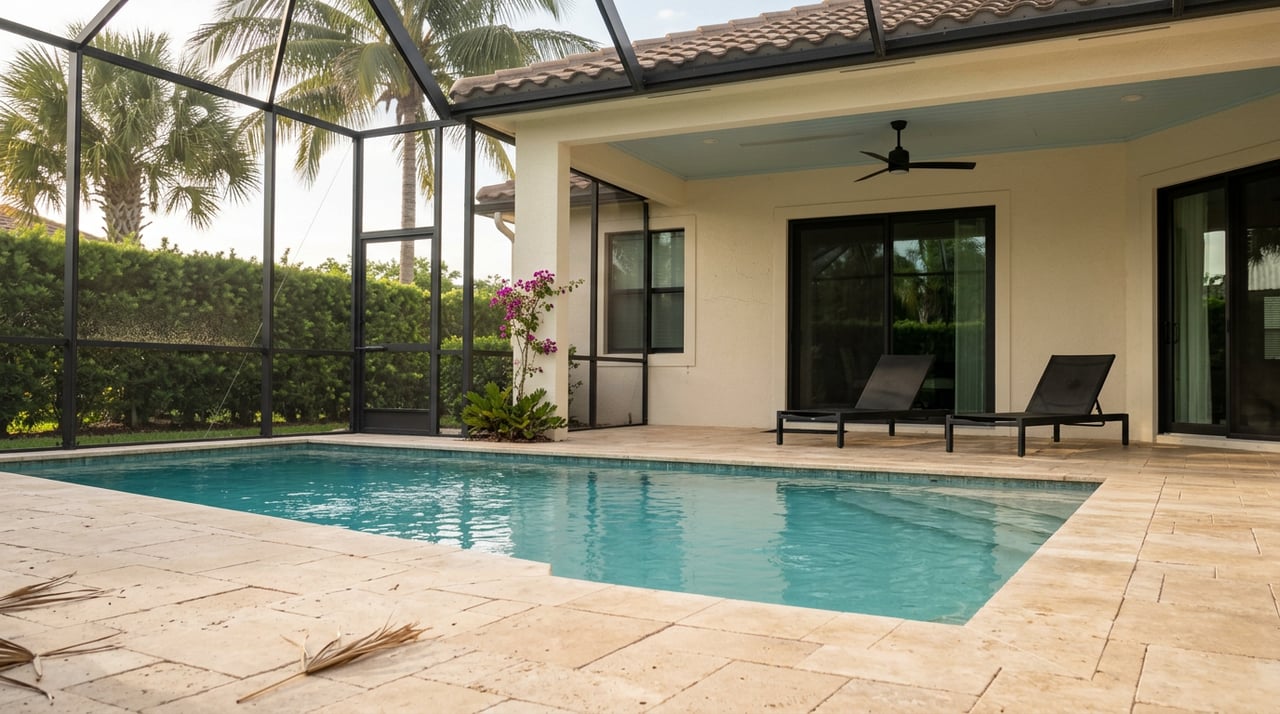
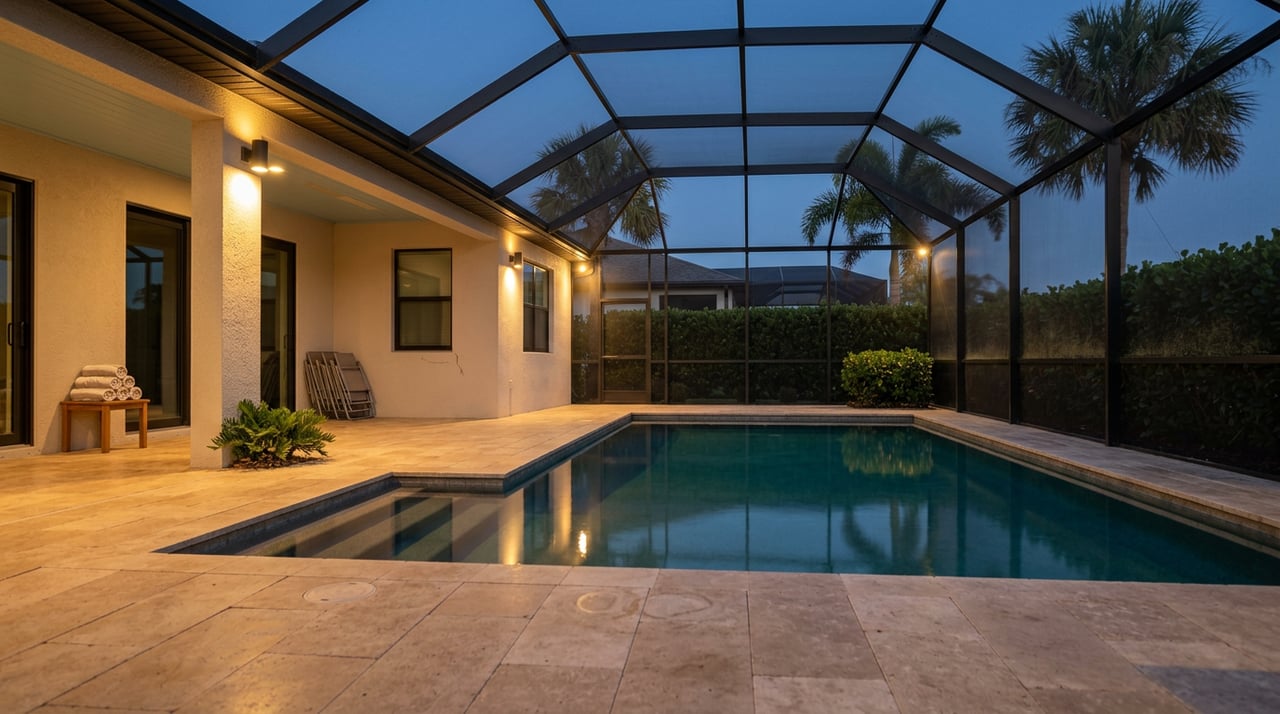
- Beach-facing lights need to be off, shielded, or turtle-friendly. Hatchlings and nesting females navigate by the dim, low-wavelength light of the moon and stars. A bright white porch light or an uncovered pool light reads to a hatchling as the horizon, and it will crawl toward your patio instead of the Gulf. Amber or red LED fixtures don't carry the wavelengths that cause this confusion, which is why more condo associations along the key have switched to them year-round rather than swapping bulbs twice a year.
- Furniture comes off the sand at night. Chairs, umbrellas, and loungers left out overnight are one of the most common causes of what Mote biologists call a "false crawl," when a female turtle comes ashore, encounters an obstacle, and turns back to the Gulf without nesting at all. Melissa Macksey, a senior biologist with Mote's turtle program, has put it plainly: loggerheads turn back about half the time they come ashore, often because "they run into furniture, or they don't like the slope, or they see a predator, or they start digging and hit a rock."
- Fill in your holes and flatten your sandcastles before you leave the beach. A knee-deep hole invisible in daylight becomes a trap for a hatchling moving across the sand in the dark.
- No flash photography, flashlights, or phone lights on the beach after dark. Even a brief flash can disorient a nesting female mid-process or send hatchlings scattering away from the water.
- Leave marked nests alone. The wooden stakes and pink tape aren't decorative. Disturbing a marked nest is a violation of both the Florida Marine Turtle Protection Act and the federal Endangered Species Act, and Sarasota County's marine turtle protection code, which covers Siesta, Lido, Casey, and Manasota Keys, carries real penalties for interference.
None of this is exotic. What's easy to miss is why it matters more in a season like this one. A record nesting year followed by a strong-but-not-record year means the density of active nests along Siesta Key's beaches this week is higher than what most residents experienced even five years ago. Small choices that used to be low-stakes now interact with more nests, more often.
The System Behind the Stakes
The reason anyone knows how many nests exist, where they're hatching, or how the season compares to last year comes down to roughly 300 trained volunteers who walk Sarasota County's 35 miles of beach every morning during nesting season, looking for the drag marks and disturbed sand that signal a new nest. They mark it, log it, and hand the data to Mote's scientists, who track trends across decades. That daily, unglamorous patrol work is the entire foundation for every number in this post, and it's been running for 45 years.
It also means the numbers keep improving in ways that are genuinely worth knowing if you live here. The loggerhead population along this stretch of coast has been climbing steadily since 2008. That's not an abstract wildlife statistic. It's the reason your evening walk on Siesta Key Beach in late August looks different than it did a decade ago, with more marked nests, more nightly patrols, and more reason for the whole island to keep its outdoor lighting in check.
Living on a barrier island during nesting season means being part of a system most visitors never notice. The porch light you dim, the chair you bring in, the flashlight you leave off, all of it feeds into whether this season's hatchlings make it to the water. Siesta Key set a record last year. Whether this year adds to that trend or costs it something depends less on the turtles than on the choices made along the beach they're using right now.
If you're weighing a move within Siesta Key, thinking about how a beachfront property fits your lifestyle here, or just curious what your home might be worth in today's market, The Suarez Group knows this island's rhythms as well as its real estate. Reach out anytime to talk through what's next.