Trying to decide between a downtown Sarasota condo and a suburban home? That choice shapes more than your address. It affects how you park, how much maintenance you handle, and what your daily routine feels like. If you are weighing walkability against space, or convenience against privacy, this guide will help you compare both options in a practical Sarasota context. Let’s dive in.
How Sarasota Living Differs
Sarasota offers two very different residential patterns. According to the city’s current land-use plan, downtown is the most urban part of the city, with high-rise condominiums along the bayfront and a fully mixed-use core that combines residential, retail, restaurants, offices, entertainment, and civic uses. In contrast, the areas north, east, and south of downtown are primarily made up of single-family homes, with commercial and office uses concentrated along major roads.
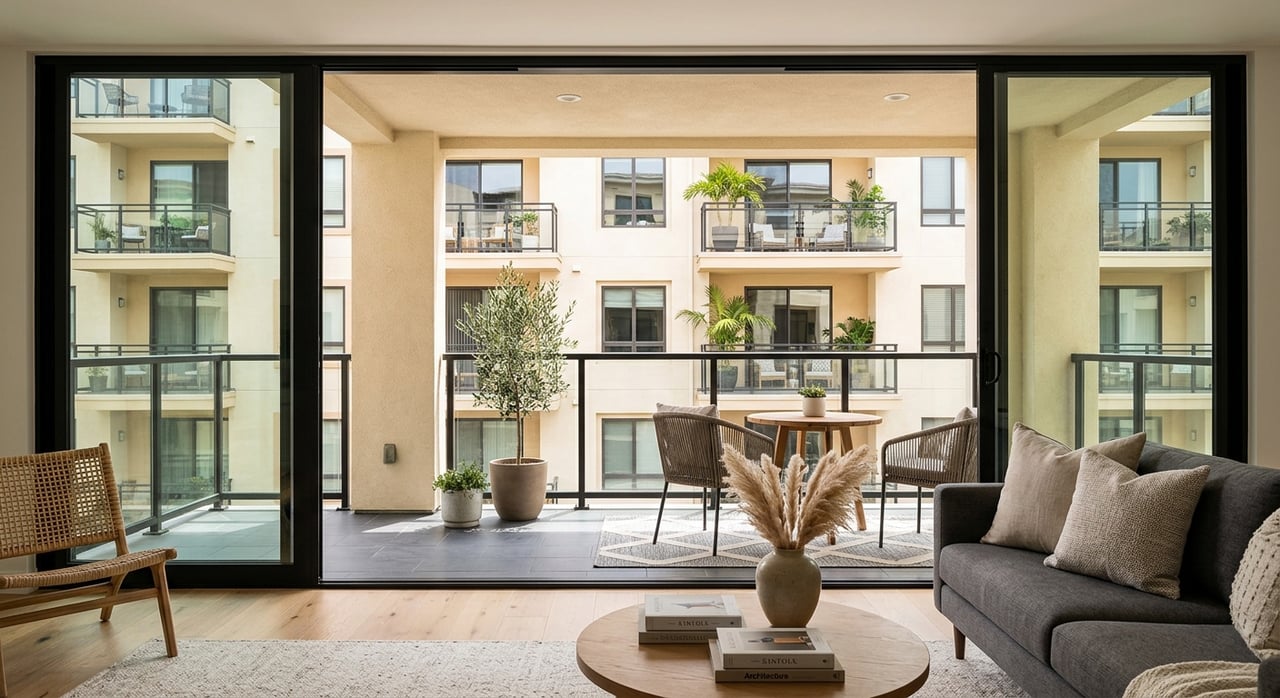
That local layout creates a simple but important comparison. A downtown condo often fits buyers who want a smaller footprint and easier access to restaurants, arts, and waterfront areas. A suburban home often fits buyers who want more indoor and outdoor space, more separation from surrounding properties, and a more traditional neighborhood setting.
Downtown Condo Lifestyle
Living downtown means your day-to-day routine can feel more connected to Sarasota’s urban core. The city describes downtown Main Street as the heart of the community for events like farmers markets, art festivals, and nights out. If you enjoy being close to dining, entertainment, and cultural venues, that location can be a major advantage.
Downtown also puts you near several well-known local destinations. The Sarasota Opera House is located on North Pineapple Avenue, Marie Selby Botanical Gardens has its downtown bayfront campus, and the city-owned Van Wezel Performing Arts Hall sits on the bayfront as well. For many buyers, this kind of access is part of the appeal of condo living.
Another benefit is walkability. While Sarasota’s citywide Walk Score is 52, downtown-adjacent neighborhoods on Walk Score such as Rosemary District, Main Street Merchants, Gillespie Park, and Laurel Park score in the mid-to-high 80s. That does not mean every errand can be done on foot, but it does show that downtown living can support a more walkable routine than many lower-density areas.
Suburban Home Lifestyle
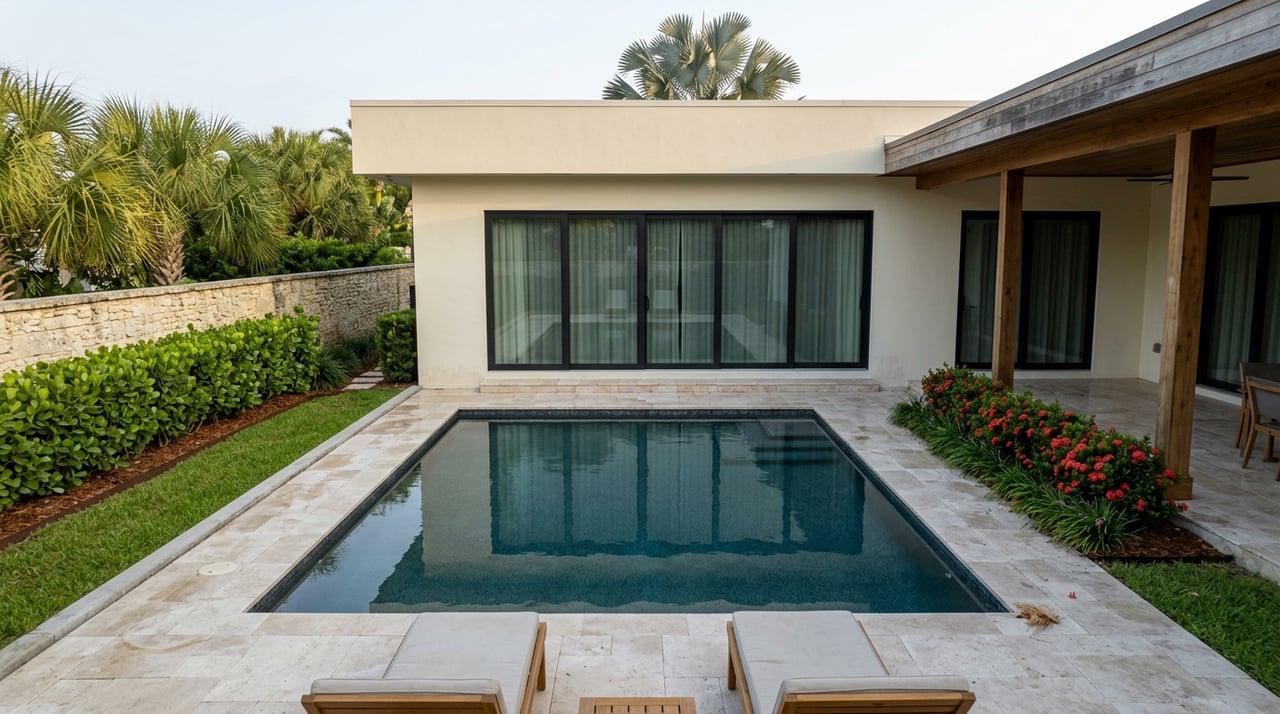
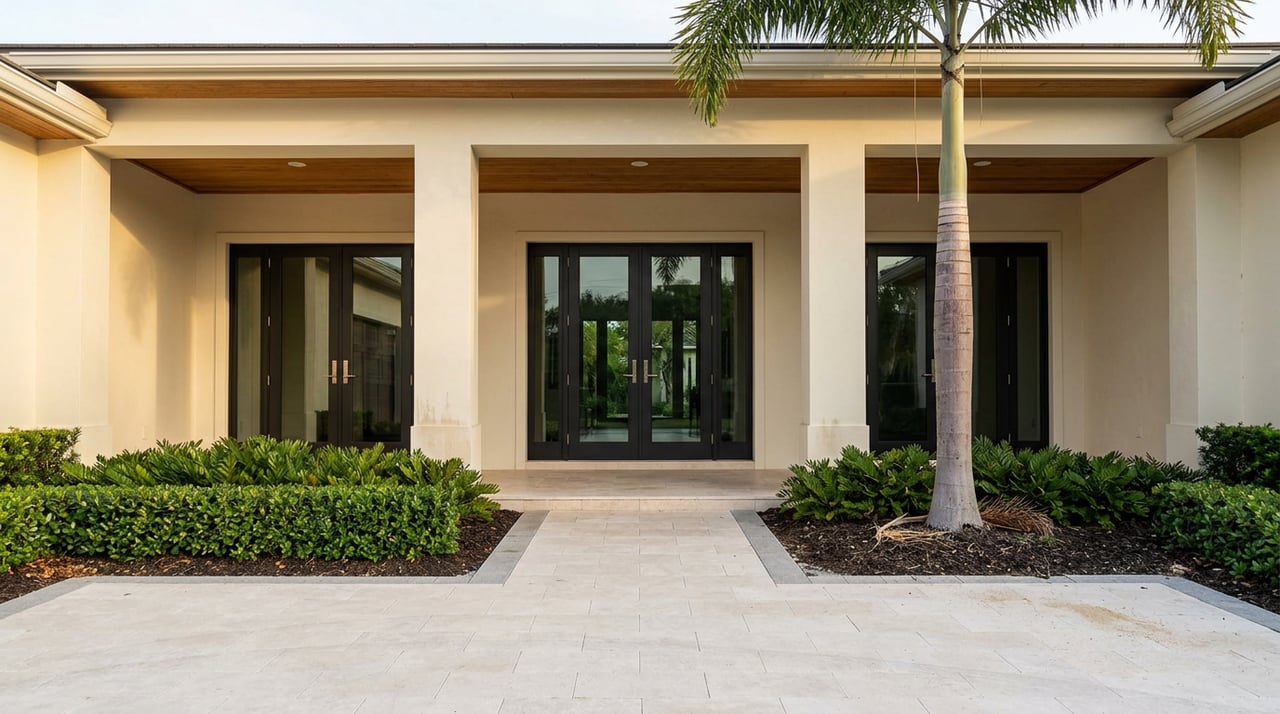
If you picture a home with more room to spread out, Sarasota’s suburban areas may feel like a better match. The city’s planning documents describe the neighborhoods outside the downtown core as lower-density and primarily single-family in character. In practical terms, that usually means detached homes, more private outdoor space, and a more car-oriented lifestyle.
A suburban setting can also give you more flexibility in how you use your property. You may have more storage, a larger yard, or more separation between your home and nearby traffic or activity. For buyers relocating from another state or moving up into a larger property, that extra space can make a meaningful difference in daily comfort.
That said, more space usually comes with more direct responsibility. The city’s neighborhood plan notes that maintaining housing stock in these areas depends on owners either doing work themselves or hiring others to do it. In other words, a suburban home can offer more control, but it also tends to place more upkeep directly on you.
Maintenance And Ownership Costs
One of the biggest differences between a condo and a suburban home is how maintenance gets handled.
With a condo, some building and shared-area responsibilities are handled through the association. That can be appealing if you want to reduce some of the day-to-day demands that come with exterior upkeep. But condo ownership still requires careful review of the association’s financial and structural health.
Florida condo law now requires a structural integrity reserve study, or SIRS, for residential condominium buildings that are three habitable stories or higher at least every 10 years. Under current law, eligible associations that existed on or before July 1, 2022 must complete that study by the required deadlines outlined in Florida Statute 718.112. The Florida Department of Business and Professional Regulation explains that the SIRS is a budget-planning tool and that reserve funding may be addressed through regular assessments, special assessments, loans, or lines of credit.
That matters if you are condo shopping in downtown Sarasota. It is not enough to love the view or the floor plan. You also need to review the association’s records and understand how reserves, inspections, and future expenses may affect ownership costs.
DBPR also states that structural inspection reports and reserve studies are part of the association’s official records and must be provided to prospective buyers. That means condo due diligence should include more than the unit itself. You will want to review the association’s documents carefully before making an offer.
With a suburban home, the picture is usually more direct. You do not typically have the same kind of shared structural reserve framework as a condo building, but you are more likely to be responsible for the roof, exterior, yard, and many repair decisions yourself. For some buyers, that independence is a plus. For others, it is a tradeoff.
Parking And Getting Around
Parking is one of the clearest lifestyle separators between downtown and suburban Sarasota.
Downtown Sarasota has a large public parking system. The city reports more than 1,300 covered parking spaces downtown and about 3,000 public parking spaces citywide, including around 1,100 metered spaces. City garage options include State Street, Palm Avenue, and the 2nd Street garage near Whole Foods, all listed on the city’s Parking and Mobility page.
Still, downtown parking comes with rules and costs. According to the city’s current meter parking information, on-street metered parking is $1.50 per hour, and city garages offer the first hour free after registration, then $2 for hours 1 through 2 and $1 for each additional hour. Metered enforcement runs Monday through Saturday from 10 a.m. to 8 p.m.
If you choose a downtown condo, you will want to think carefully about how often you drive, how guests will park, and whether building parking arrangements fit your needs. A walkable location can offset some of that friction, but parking is still part of the equation.
In suburban neighborhoods, the routine is usually simpler. Private driveways and garages are more common, and daily life tends to be more car-based. If you prefer loading groceries directly into your own garage or not thinking much about meters and public garages, a suburban home may feel easier.
Can You Live Downtown With Less Driving?
For some buyers, yes.
The city’s free Bay Runner trolley connects downtown Sarasota with St. Armands Circle and Lido Beach. The city specifically notes that the route supports dining, nightlife, arts, recreation, leisure, and beach trips. That makes a car-light routine more realistic for people who spend a lot of time in those connected areas.
This does not mean every downtown resident can or should go car-free. Your work, hobbies, and daily errands still matter. But if your goal is to reduce how often you drive, downtown Sarasota offers tools that many suburban areas do not.
Beach And Culture Access
If Sarasota’s beaches and arts scene are high on your wish list, downtown has a clear convenience advantage.
Sarasota County has more than 35 miles of beaches, and the county notes that beaches such as Siesta are major year-round destinations. The county also provides beach wheelchair access information for several beach locations, including Lido and Siesta. That is useful practical information for residents planning regular beach visits with guests or family members.
Visit Sarasota County says Siesta Beach is the largest beach in Sarasota County and one of the widest beaches in the nation. It also notes that Lido Key includes North Lido, Lido Beach, and South Lido. For downtown residents, the Bay Runner connection to Lido Beach and St. Armands can make beach access especially convenient.
Suburban homeowners can absolutely enjoy the same regional amenities, but the experience is usually more driving-dependent. If you plan to visit the beach, head downtown for dinner, or attend performances regularly, it is worth thinking about how often you want that trip to involve parking and traffic.
Which Option Fits You Best?
The right answer usually comes down to your priorities, not a one-size-fits-all rule.
A downtown Sarasota condo may be the better fit if you want:
- A smaller footprint
- Easier access to restaurants, events, and cultural venues
- More walkability in your daily routine
- Less direct exterior maintenance
- A location with easier transit access to St. Armands and Lido Beach
A suburban Sarasota home may be the better fit if you want:
- More interior and outdoor space
- More privacy and separation
- Private parking and a simpler driving routine
- Greater control over your property
- A lower-density residential setting
For many buyers, especially relocators, this decision becomes clearer after comparing not just homes, but routines. Think about where you want to park, how often you want to drive, how much upkeep you want to handle, and what kind of surroundings feel most natural to you.
If you are weighing downtown Sarasota against the suburbs, the best next step is to compare both with a clear plan. The Suarez Group can help you narrow the options, evaluate condo documents, and find the Sarasota lifestyle that truly fits the way you want to live.
FAQs
What is the main difference between a downtown Sarasota condo and a suburban Sarasota home?
- A downtown condo usually offers a more urban, mixed-use setting with easier access to dining, arts, and walkable areas, while a suburban home usually offers more space, more privacy, and a more car-oriented routine.
What condo documents should downtown Sarasota condo buyers request?
- Prospective buyers should ask for association records that include structural inspection reports and reserve studies, since the Florida Department of Business and Professional Regulation says those records must be available to purchasers.
How does parking work for downtown Sarasota condo owners?
- Downtown relies heavily on garages, metered parking, and building-specific arrangements, and the city currently lists metered and garage rates that can affect your day-to-day routine and guest parking plans.
Can you live in downtown Sarasota without driving every day?
- For some buyers, yes, because downtown has stronger walkability than many other parts of Sarasota and the free Bay Runner trolley connects downtown with St. Armands Circle and Lido Beach.
Is a suburban Sarasota home easier for parking and storage?
- In many cases, yes, because suburban single-family homes are more likely to include private driveways, garages, and additional storage space.
Are Sarasota beaches easier to access from downtown?
- Downtown can make beach outings more convenient, especially for Lido Beach, because the Bay Runner trolley connects downtown to Lido and St. Armands, while other beach trips may still require driving.